
戦前ブルース音源㊙研究所
PAN RECORDS 付随団体 戦前ブルース音源研究所からのご報告
戦前ブルース音源研究所は米国戦前SP盤レコードを中心とした音楽史に関する多角的な検証を行う機関です。主に録音時のカッティングマシンの回転速度(回転数)を標的とした分析検証を行っている世界で唯一の研究機関となります。
1920年代~30年代などの古い時代に録音された素晴らしい楽曲録音は78回転で再生すると甲高くハヤマワシ現象が現れます。それらの間違った再生楽曲を本来の臨場感あふれる唄声やタイム感豊かな演奏に復元する為の多角的検証を行ってきました。
これまでハヤマワシに気付かず評論してきた方や聴いて感じない方にも納得してもらえるように出来る限り科学的根拠を求め研究所活動を行い、視聴検証標的楽曲は1000曲を優に超えますが一次資料(SP盤)を入手出来ず検証が途絶える楽曲が多く、また資料が揃っても音楽的な能力や感性も必要となり修正は苦難の連続です。
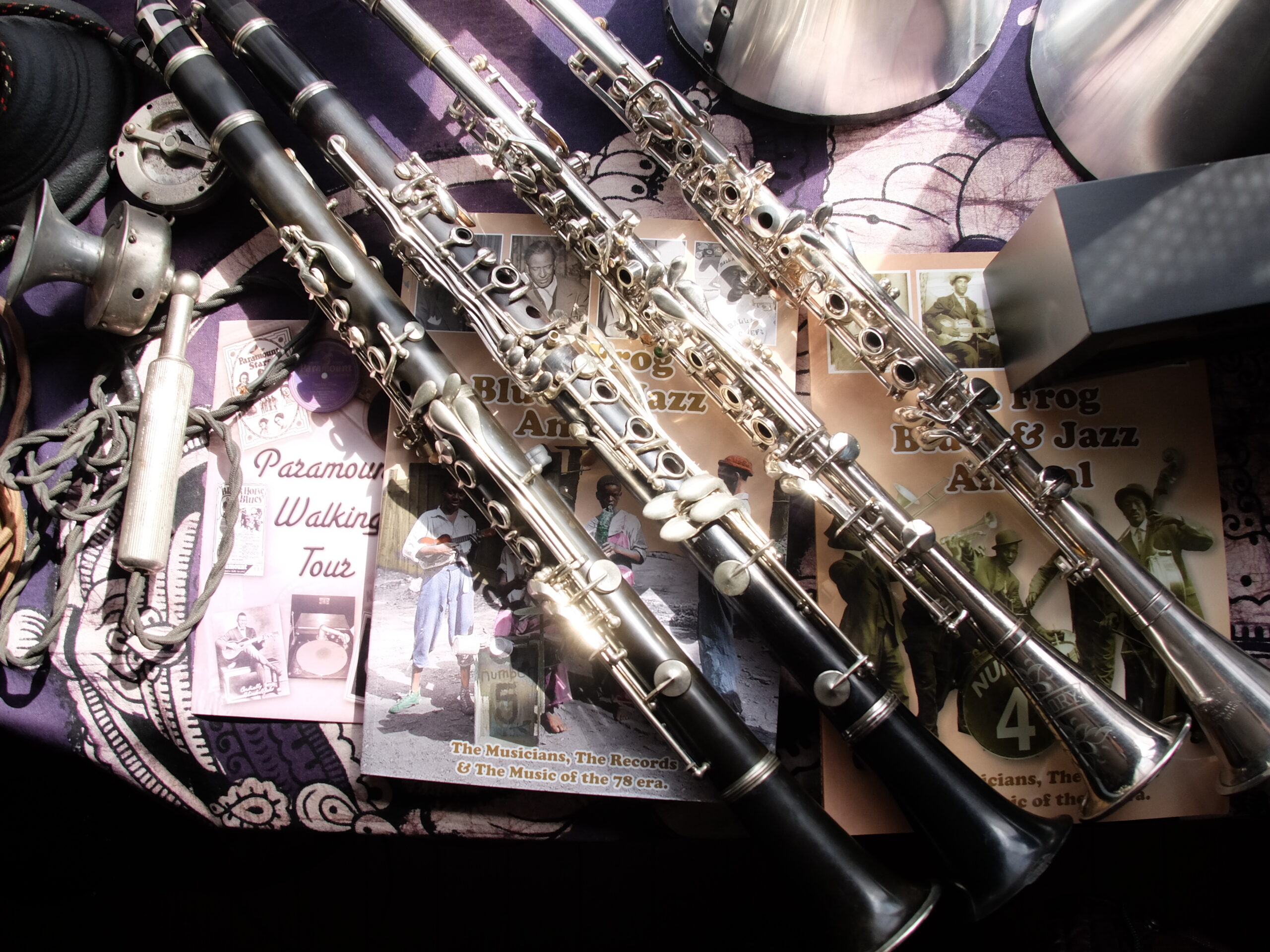
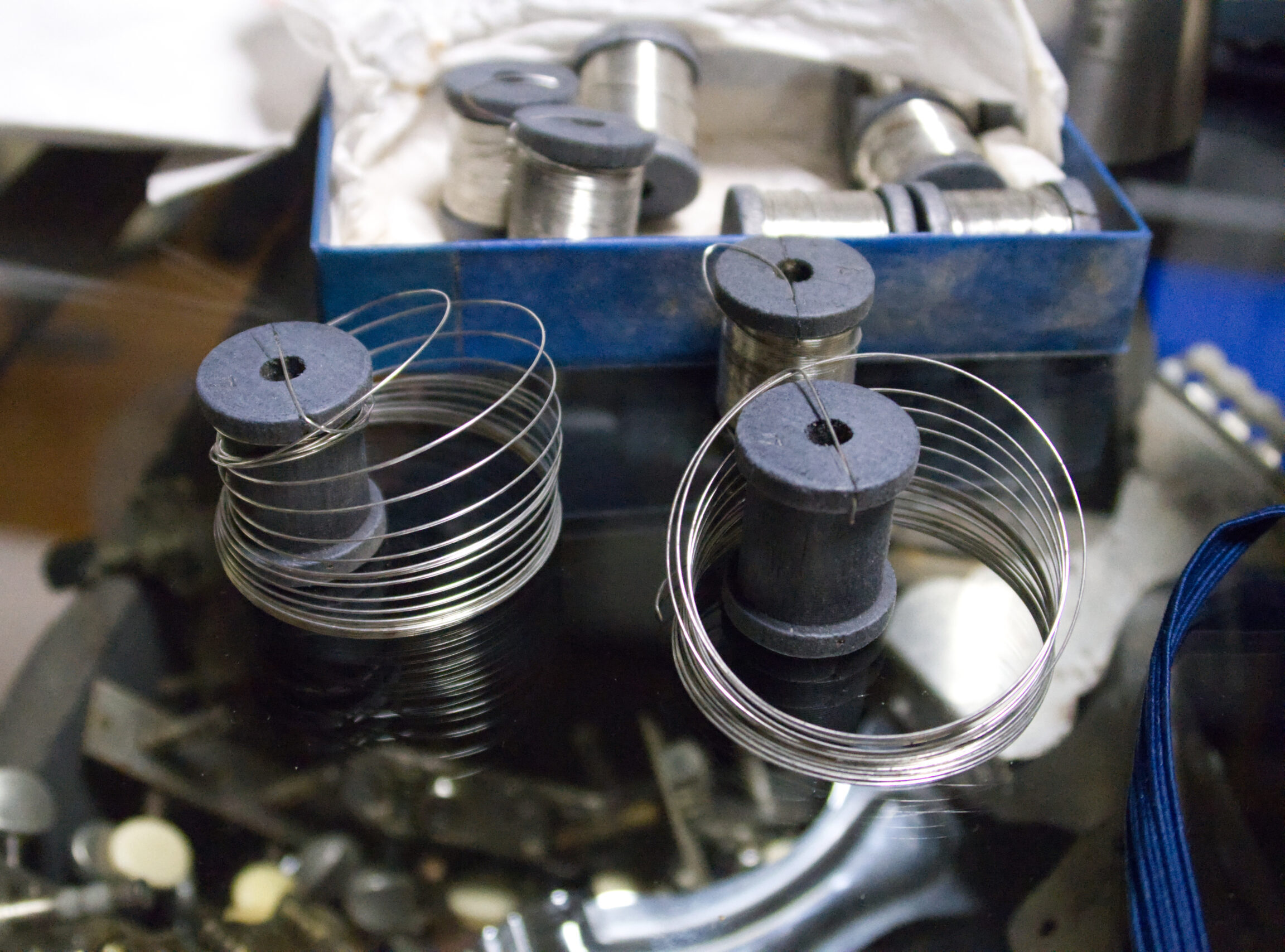
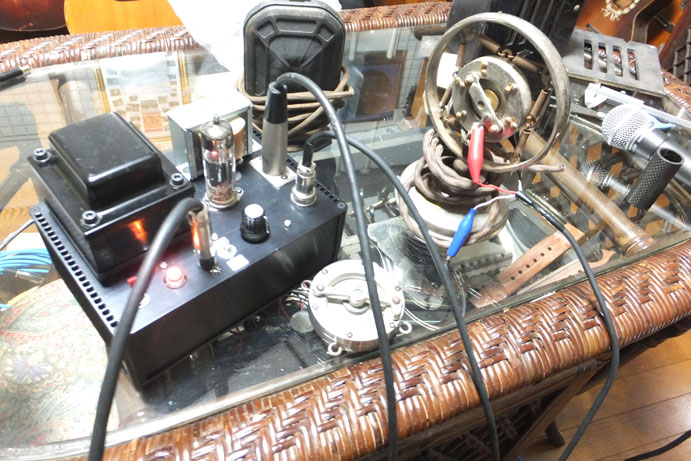
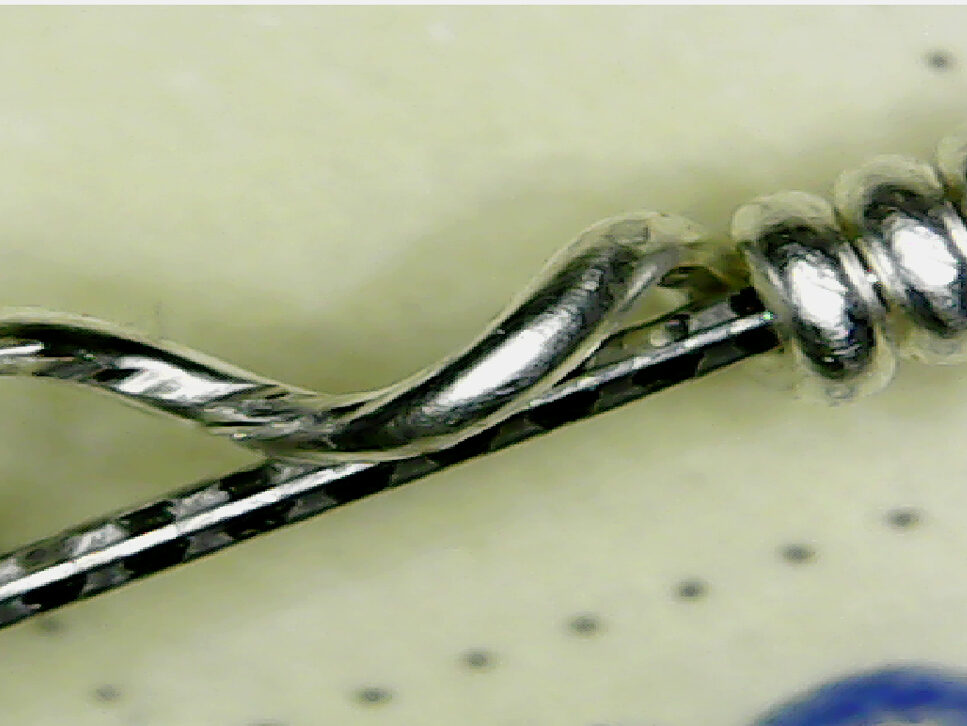
戦前ブルース楽曲復元を目的とし楽器奏法や音質検証を行い、それら録音時代に流通していたギター、金属製クラリネットなどの楽器収集及びレストア作業。ガット弦やスティール弦などの収集。カーボンマイク、レストア作業。カーボンマイク専用真空管アンプの製作及び収音検証。1800年代からの流通楽器カタログ資料の収集。SP盤レコード収集及び盤修復作業。 その他検証分析の研究所活動内容は多岐に渡りました。
2001年頃から代表菊地明の活動や主張にムーブメントが起こり、SNSを利用した全国のブルースファンが交流し後に戦前ブルース音源研究所コミュティが発足。岡山の山本俊、千葉の菊地明との出会いは検証を大きく加速させ世界のブルースファンとの交流を始め音楽業界に衝撃的な事実を伝える成果をもたらします。2008年には 世界初となったBlind Blakeのトリビュートアルバム Blind Blake Flood / Akira Kikuchi がリリースされた事でさらに話題となり2年後、2010年には研究結果の情報発信手段として満を期して戦前ブルース音源研究所ホームページが開設されました。
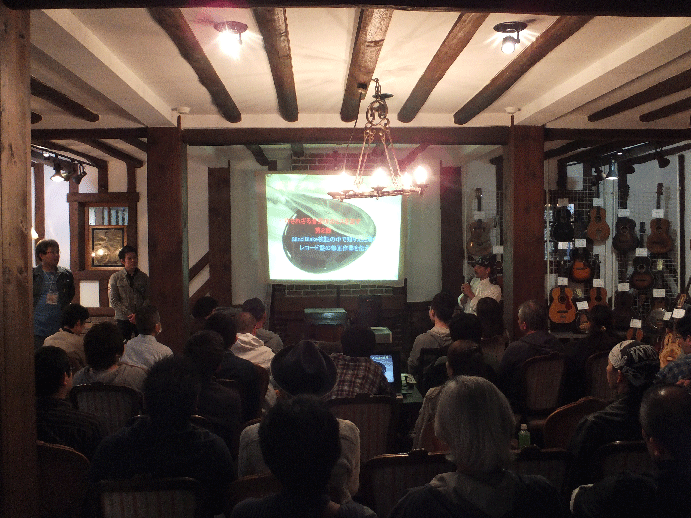
| Vintage Guitar Collection | 研究所講演ライブ | 再生速度比較分析作業 |
|---|---|---|
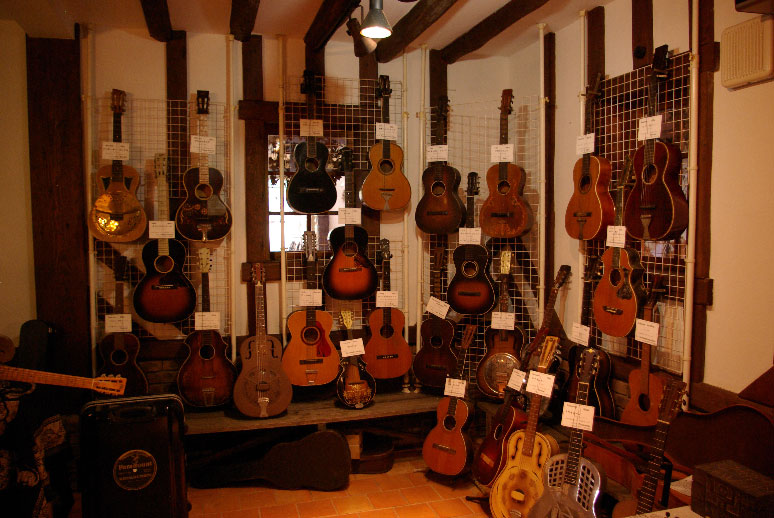 | 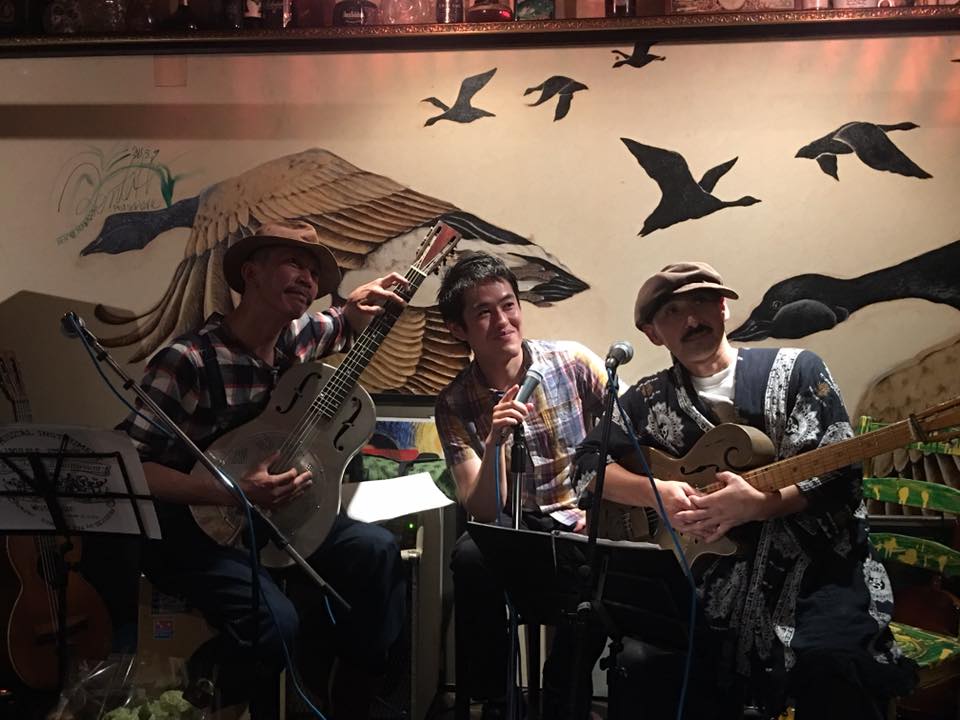 |  |
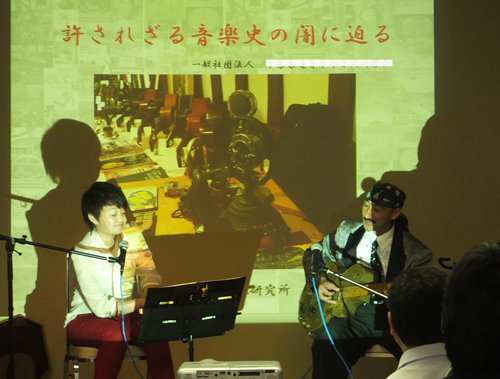
戦前ブルース音源研究所は演奏を楽む演奏家集団であり、演奏家だからこそわかる新たな発見や見解は注目を集め次々に起こる貴重な真実の発見と報告は一つの時代となりました。
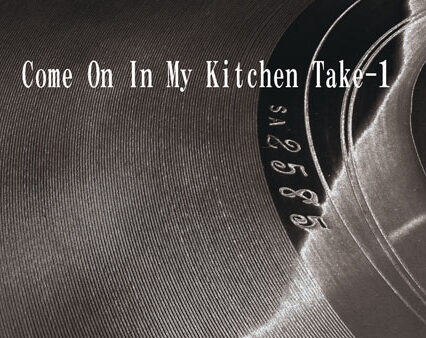
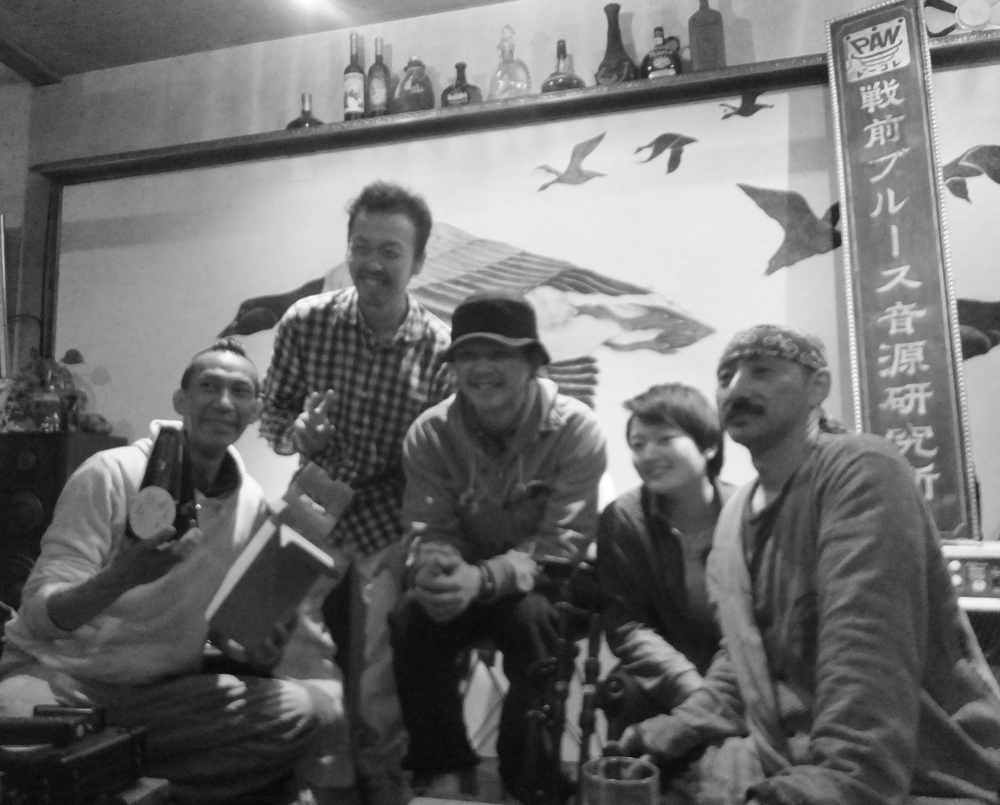
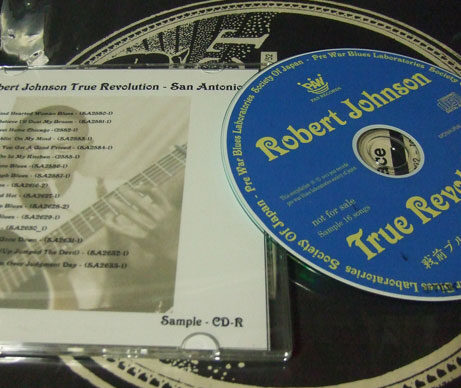
| 一次資料となるSP盤確保 | 研究所によるライブ演奏 | 検証用資料音源の製作 |
|---|---|---|
 |  |  |
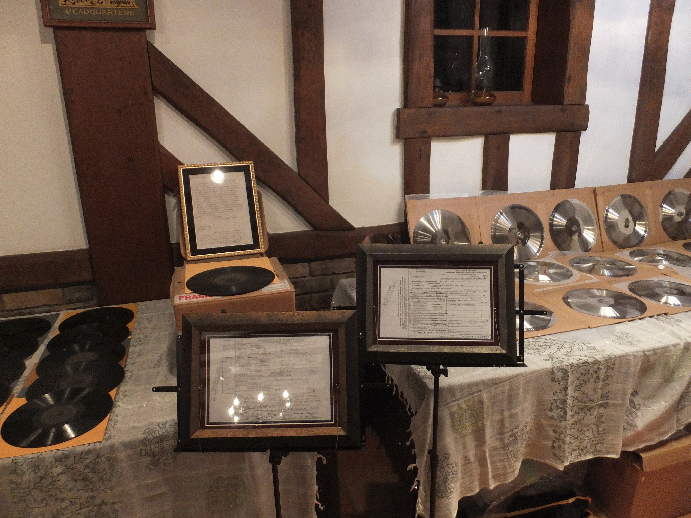
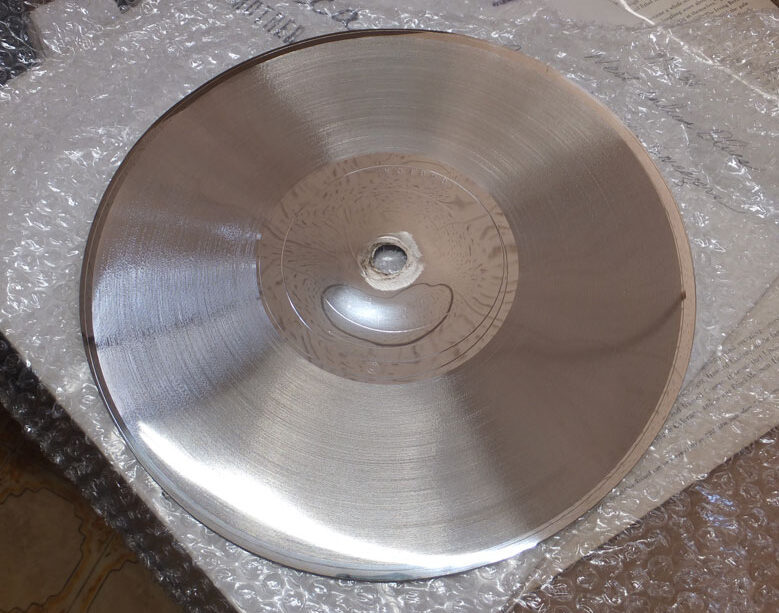
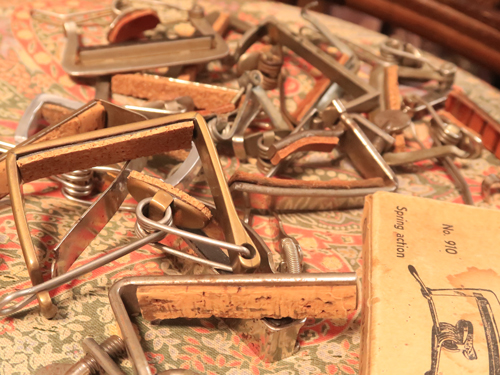
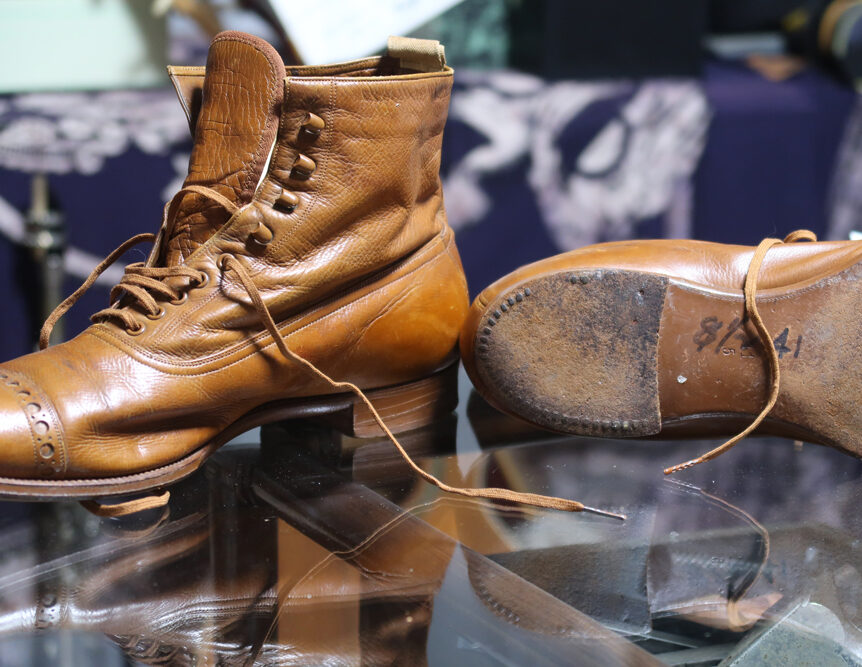
戦前ブルース楽曲のハヤマワシ検証のために代表菊地が個人で収集したヴィンテージアイテムの数々は、希少価値が高くそれぞれの分野のファン達に興味をそそるコレクションとなっています。
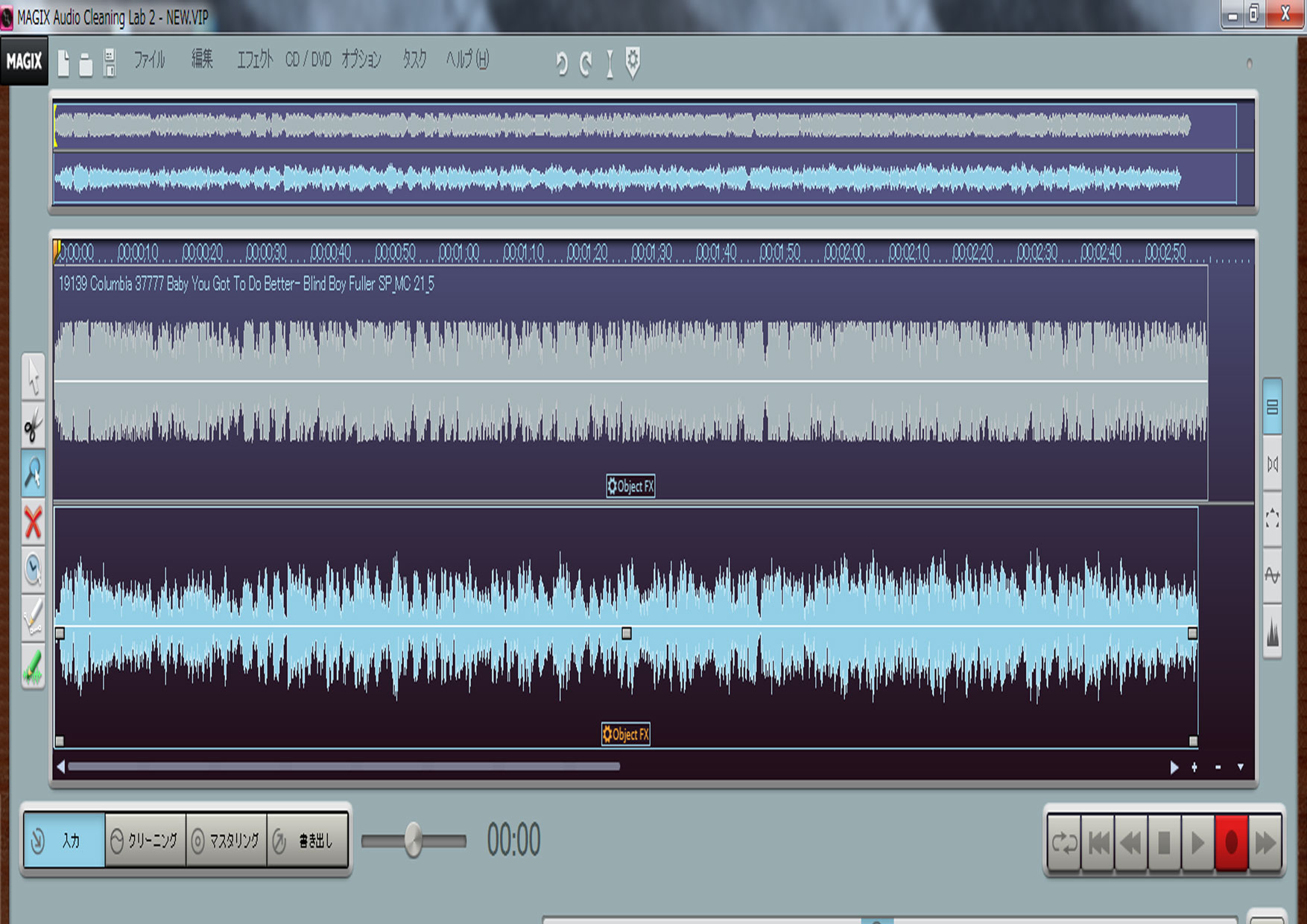
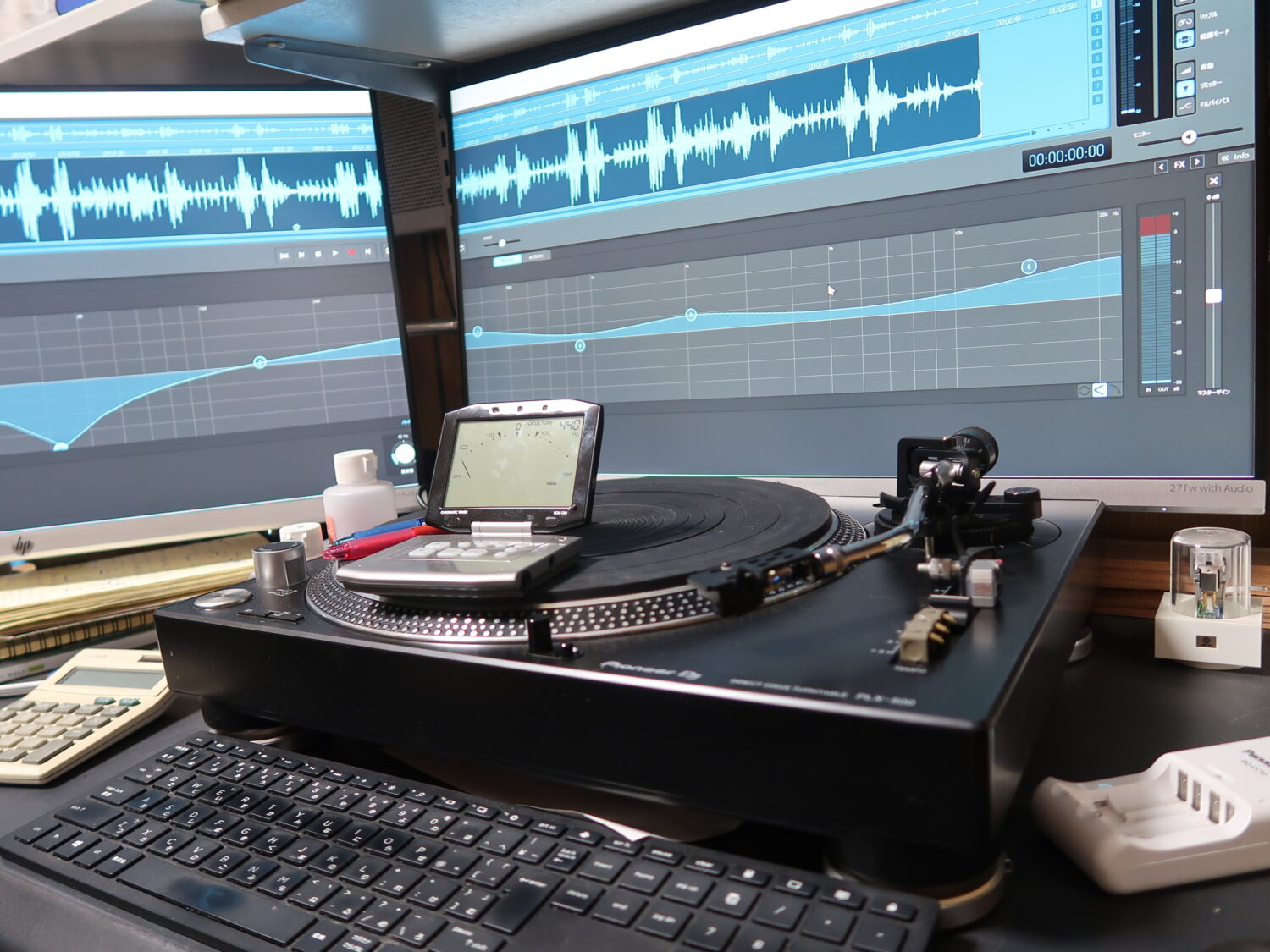
| 波形分析検証作業 | 希少資料保管事業 | メタルマザーの検証 |
|---|---|---|
 |  |  |
「一般公開の終了のお知らせ」
研究所の活動記録は代表菊地のブログと戦前ブルース音源研究所のホームページにて多くを公開していました。Facebook内の戦前ブルース音源研究所ページも含めネット上へ無償で公開してきたこれまでの活動や情報は残念ながら現在非公開となっています。
ネット上で公開してきた情報は研究所の検証内容の一部であって分析数値など研究所秘情報は公開しておりません。分析結果や活動に深い理解を得るためには共に検証を行う必要があり、ネット上に公開されている情報認識では誤認やそれによる情報拡散などが起こり本来の検証活動に支障が起こると判断しました。
| Vintage Guitar Capos | Vintage Clarinets | Vintage Guitar Strings |
|---|---|---|
 |  |  |
全ての音楽ファンへ届けたかったのですが研究所ホームページ運営を閉鎖し広い層への情報提供取り止めを決定しました。音楽愛に満ち溢れた仲間達と共有出来たこれまでの活動に深く感謝し皆さんが真実を知り喜べる音楽文化社会が訪れることお祈り申し上げます。
| 1910-20sカーボンマイク検証 | 1920sギター弦分析検証 | 1910s アンクルブーツ検証 |
|---|---|---|
 |  |  |
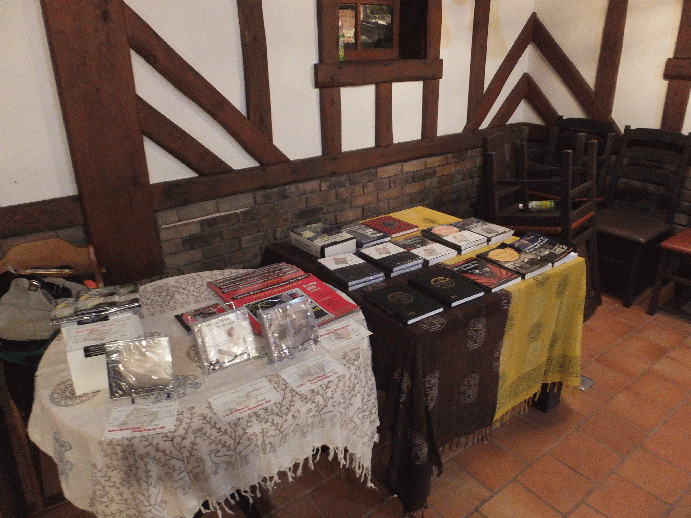
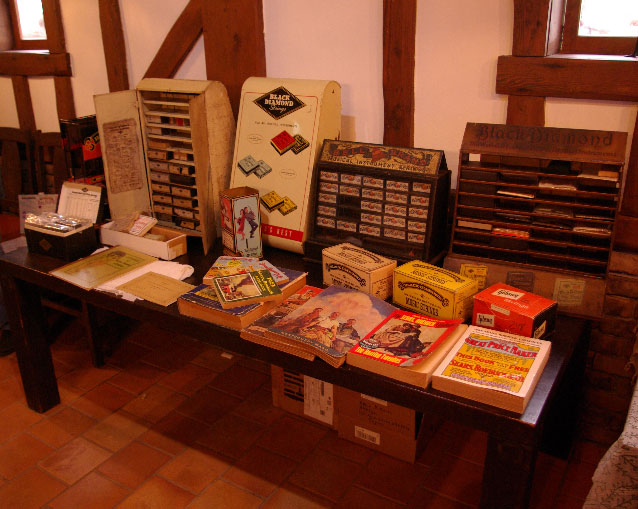
| 取り扱い書籍・CD陳列風景 | Black Diamond Strings 戦前楽器流通カタログ資料展示風景 | 研究所講義・講演風景 |
|---|---|---|
 |  |  |
「主任 責任者 菊地 明 より皆様へ」
戦前ブルース・ジャズの真実を追い求め、共に歩んでくださる皆様へ。
私たちが取り組んできた「ハヤマワシ(回転数)修正」の研究、そして戦前レコード史の解明は単なる技術的な検証ではありません。それは、録音された瞬間に確かに存在した「命の鼓動」を現代に正しく蘇らせるための祈りにも似た作業でした。
かつて、戦前ブルース音源研究所には一人の少女がいました。 当時16歳だった彼女と、ブラインド・ブレイクらの演奏を完璧に再現し、あえてノイズを加えることで音質の正体を探る――。あの「Itching Heel Blues」の検証演奏には天国へ旅立った彼女が最も眩しく輝いた一瞬が刻まれています。
しかし現在、研究所の成果の多くはYouTubeなどの表舞台から姿を消し深い闇の中にあります。その理由は今のデジタル社会が抱える歪みにあります。私たちが心血を注ぎ、収益さえも一切排して守り抜こうとした研究成果に対し、不当な権利を主張する企業や私たちの承諾も配慮もなく、土足で踏み荒らすような形で音源を公開する無理解な発信者が現れました。
私が主任責任者として沈黙を選んだのは大きな企業や現代社会に敗北したからではありません。 「大切なものをこれ以上汚させないため」の表現者としての最後の矜持です。
研究所としての一般公開は一度幕を閉じましたが、私、菊地明個人の音楽に対する情熱が潰えることはありませんでした。 戦前ブルース音源研究所としてではなく、一人の研究者として、私は奄美大島民謡の伝説的唄者・中山音女さんの100年前の歌声を、科学的根拠に基づき修正・復元する活動に心血を注いでまいりました。その活動記録と2枚組CD音源は、日本の文化遺産として国立国会図書館に所蔵され、永久に保存される成果となりました。
私たちの探求は、形を変えながらも、常に「真実の音」を目指して続いています。
純粋に音楽を愛する皆様には、この沈黙がもどかしく映るかもしれません。ですが、いつかまた、濁りのない静寂の中で、私たちが愛してやまない戦前ブルースやジャズの音源を、納得のいく形で皆様にお届けできる日が来ることを私自身も願っております。
もう会うことの叶わない彼女の生きた証、そしてこれまで私たちが捧げた情熱は決して消え去ることはありません。 いつか再び、皆様と真実の音を分かち合えるその時まで、この「沈黙」の中に込めた私の信念を温かく見守っていただければ幸いです。
戦前ブルース音源研究所 主任責任者 / Pan Records 代表 菊地 明
Report from the Pre-war Blues Music Laboratory (Affiliated with PAN RECORDS)
The Pre-war Blues Music Laboratory is a research institution dedicated to the multifaceted verification of music history, focusing primarily on American pre-war 78rpm records. We are the world’s only research body specializing in the analysis of cutting machine rotation speeds (RPM) at the time of original recording.
Many masterpieces recorded in the 1920s and 30s exhibit a high-pitched “fast-forward” effect when played back at a standard 78rpm. We have conducted extensive, multi-angled verifications to restore these incorrectly reproduced tracks to their original, lifelike vocal presence and rhythmically rich performances.
To convince those who have overlooked these speed discrepancies—including critics and listeners—we have maintained our research based on rigorous scientific evidence. Our verification targets exceed 1,000 songs. However, the process is an endless struggle; many tracks remain unverified due to the difficulty of obtaining primary sources (original 78s), and even when materials are available, the work requires profound musical intuition and sensitivity.
Our activities extend beyond speed correction to the restoration of the era’s instruments and sound quality. This includes:
- Collecting and restoring vintage guitars and metal clarinets used during the recording eras.
- Studying and collecting authentic gut and steel strings.
- Restoring carbon microphones and building dedicated vacuum tube amplifiers to verify sound collection.
- Amassing a vast archive of instrument catalogs dating back to the 1800s.
- Restoring and preserving original 78rpm discs.
Since around 2001, the movement led by director Akira Kikuchi has gained significant momentum. The meeting of Shun Yamamoto (Okayama) and Akira Kikuchi (Chiba) accelerated our research, leading to collaborations with blues fans worldwide and delivering shocking truths to the music industry. In 2008, the world’s first Blind Blake tribute album, Blind Blake Flood / Akira Kikuchi, was released, garnering international attention. Two years later, in 2010, we officially launched the Pre-war Blues Music Laboratory website to share our findings.
The Laboratory is a collective of musicians. The discoveries and insights unique to those who actually play the instruments have drawn significant attention, and our reports of these precious truths have come to define an era.
Protecting the Lost Moments — A Message from Chief Director Akira Kikuchi
To all those who walk with us in search of the truth behind pre-war Blues and Jazz:
Once, there was a young girl at the Pre-war Blues Music Laboratory. At just 16 years old, she performed alongside me to perfectly reproduce the works of artists like Blind Blake. By intentionally adding surface noise to these recordings, we sought to reverse-engineer the true essence of that historical sound. In the recording of “Itching Heel Blues,” there is a moment where her spirit—now departed for heaven—shines at its most brilliant.
Today, however, much of the Laboratory’s work has vanished from public platforms and remains hidden in the shadows. This is due to the distortions of today’s digital society. Our research, which we painstakingly protected by refusing all forms of monetization, has been met with unjust copyright claims by foreign corporations and thoughtless exploitation by third parties who broadcast our recordings and names without consent or respect.
My decision to choose silence as Chief Director was not a surrender. It was a final act of pride as an artist—to ensure that what is precious is never desecrated again.
While the public activities of the Laboratory have come to a close for now, my personal passion for music as Akira Kikuchi has never wavered. Beyond the framework of the Laboratory, as an independent researcher, I dedicated myself to restoring the 100-year-old voice of the legendary Amami Oshima folk singer, Otome Nakayama. These records and the resulting two-CD set have been inducted into the National Diet Library of Japan as a cultural asset, preserved for eternity.
Our quest continues, evolving in form but always aiming for the “Truth of Sound.”
To the fans who purely love this music, this silence may feel frustrating. Yet, I too hope for a day when we can once again share the sounds of pre-war Blues and Jazz in a form that does them justice, within a space of untainted stillness.
The evidence of her life, and the passion we poured into our work, will never fade. Until the day we can meet again through the truth of sound, I ask for your quiet understanding of the conviction held within this silence.
Akira Kikuchi Chief Director, Pre-war Blues Music Laboratory / Representative, Pan Records

